


Terms of Service | Copyright © 2026 Diamond Willow Advisory All Rights Reserved. | Website Design by Woods


.
.

.

Unlike selling to a strategic or outside buyer, Management Buyouts (MBOs) are unique because the incoming buyers rarely have the cash to buy the business outright, meaning the entire valuation is often financed with debt. This places a significant financial burden on the company the founder is trying to preserve.

.
.

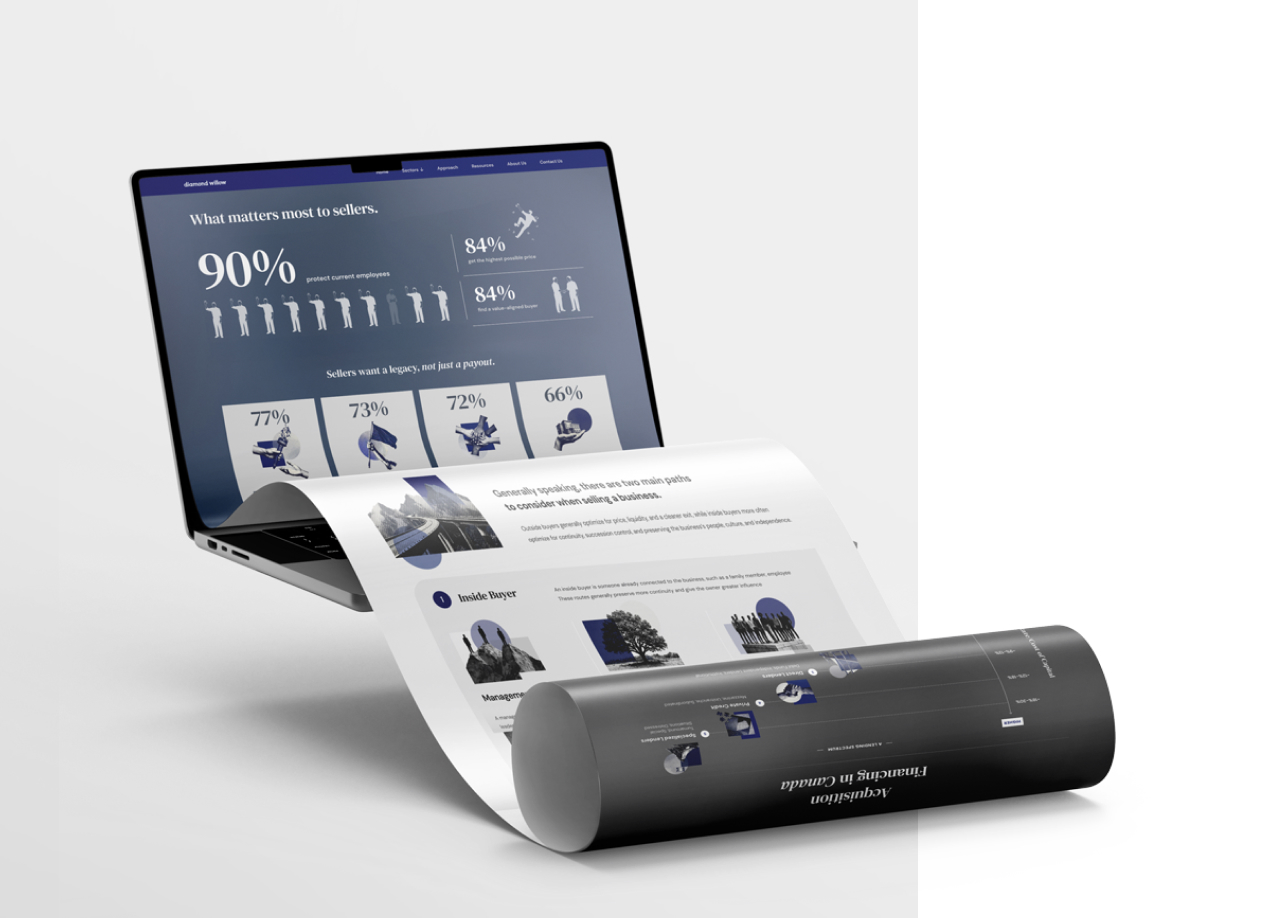
As we explored in our comprehensive Sellers Guide to Management Buyouts, founders choose this path to maintain business continuity, preserving the name, brand, employees, and culture well into the future.
They knowingly accept a lower valuation, take less cash at closing, and agree to finance part of the purchase. Yet, even after these sacrifices, their long-standing bank often says no.

.
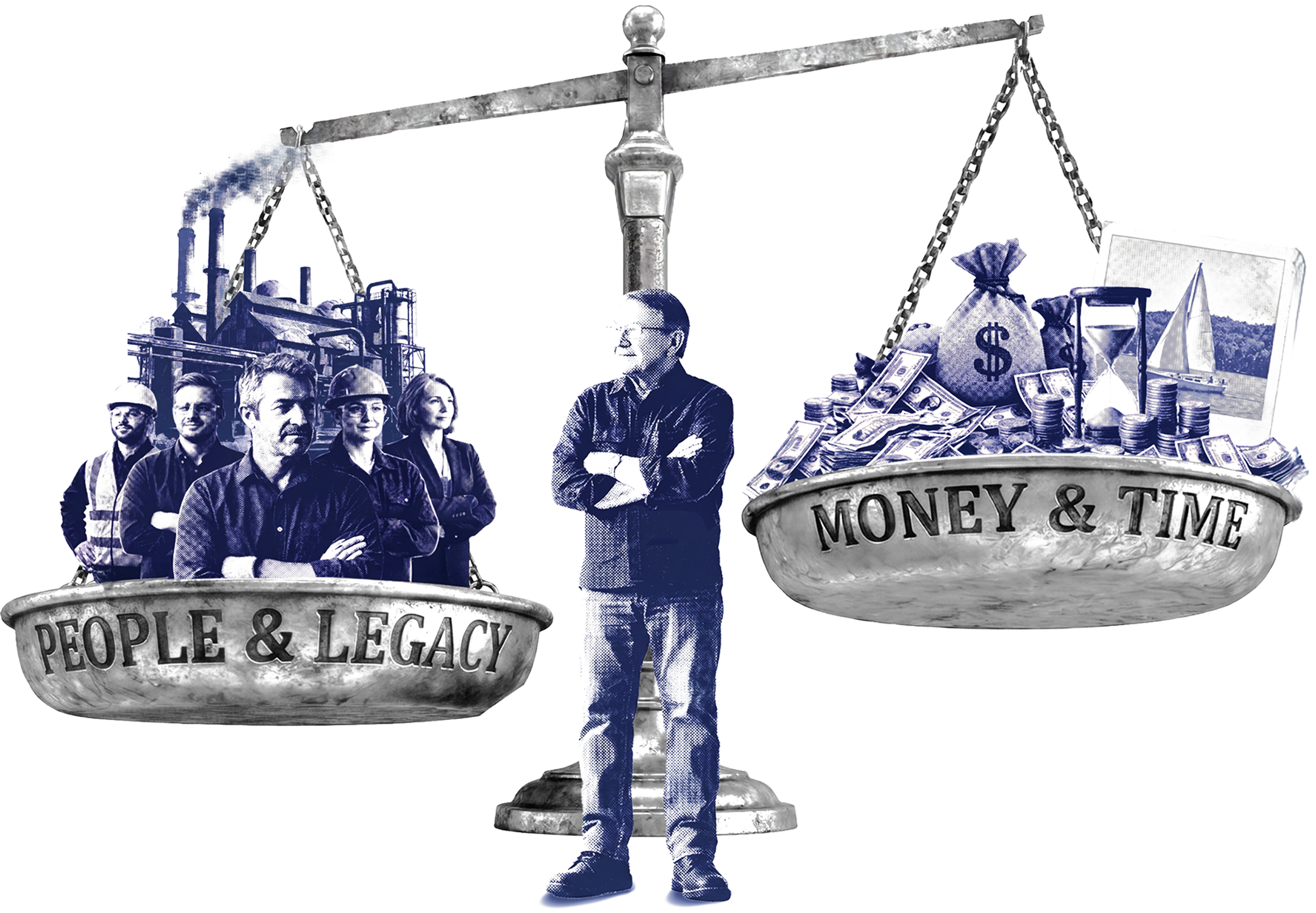
Over our years helping mid-market companies build acquisition structures and obtain financing, we have seen that banks decline acquisition financing because the structure fails to prioritize the one entity an MBO is designed to protect: the business.


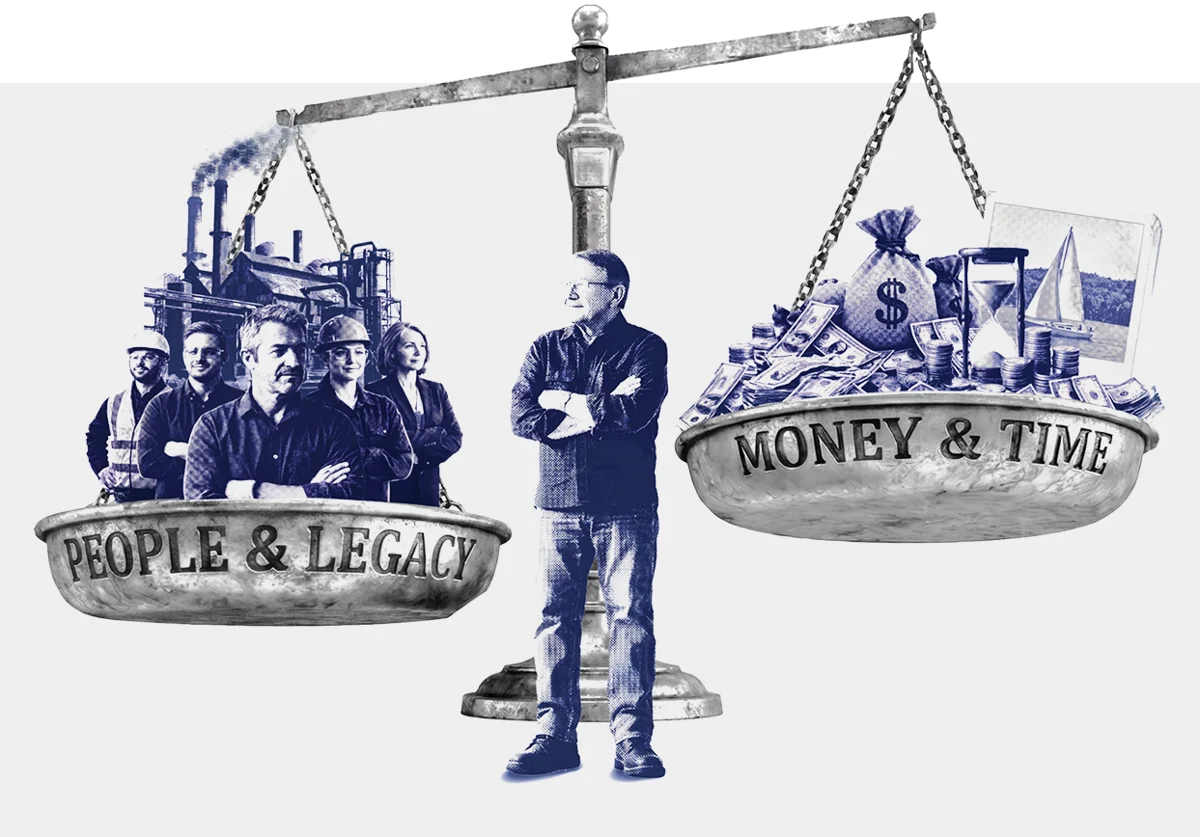
When an MBO is negotiated, every party arrives with a clear objective of its own. Each one vigorously protects its own financial outcome, while the business itself is left carrying the entire burden.







We help mid-market companies build acquisition structures and secure financing, so when sellers come to us after their bank says no, the reason usually boils down to one simple problem:
The proposed structure protects everyone’s interests over those of the business the sale was designed to preserve.

.


Either sell to get paid or sell to preserve, but don’t try to do both.
If preserving the business is important enough to sacrifice potentially millions of dollars for, the acquisition should be structured to protect the thing you’ve already sacrificed so much to preserve.
.

.
Owners who sell to management should do it with their eyes and their wallets wide open.
Preserving a legacy may cost more than they are willing to pay, and owners who are not ready for that can end up negotiating terms that recoup their losses at the expense of the business they are trying to protect.
If the negotiating parties understand that their own self-interests are secondary to the survival of the business, designing a structure that secures financing, allows the company to thrive, and gets everyone paid becomes far more intuitive than most people think.



Instead of starting with the purchase price and determining the maximum bank debt, build the financing from the bottom up by determining the amount of debt the business can safely manage and structure the capital stack to ensure it’s never at risk.

Just because the business can service the debt doesn’t mean it should. The balance sheet needs breathing room for downside protection and upside opportunity; too much restrictive debt can slowly strangle a business without leaving room for market realities.

The commonly held belief is that seller financing and rolled equity are simply used to bridge funding gaps. In fact, subordinated debt should be strategically used as a protection mechanism, allowing the seller to absorb the business’s financial fluctuations without triggering rigid bank covenants.

The buyer may be broke, but they need skin in the game. An operator with their house or savings on the line will serve and protect the business far better than an owner with nothing to lose and everything to gain.

Sellers do not need majority equity to retain governance over operations. A Unanimous Shareholder Agreement should be designed to act as a safeguard against decisions the new owners could make that put the business at risk while the seller remains financially exposed.

If sellers cannot get behind where the new owners intend to take the business, it is a clear sign they have the wrong buyer. Furthermore, sellers must account for another three to five years of operational oversight to ease the transition and protect the company’s financial interests until the obligations have concluded.

.
When a long-standing bank declined the acquisition financing for an Alberta underground utility company, the transaction stalled and left the owner’s succession plans in jeopardy.
By rebuilding the transaction from the balance sheet up, right-sizing the senior debt, and introducing flexible vendor financing, Diamond Willow restored lender confidence and preserved the company’s operational runway.